As the number of people with food allergies ticks upward, the market for potential treatments is widening. And Big Pharma is starting to tap into new advances despite previous setbacks.
Swiss drugmaking giant Novartis, already a force in the space with the Roche-partnered blockbuster Xolair, last week picked up a new slate of pipeline assets aimed at better control of allergic reactions. The deal to buy early-stage biotech Excellergy for up to $2 billion underscores Novartis’ efforts to remain on the field’s cutting edge.
Excellergy, which launched just last year, develops therapies targeting an antibody called immunoglobulin E, which is at the root of many allergies to food and pollen, and linked to conditions like urticaria and asthma. While Xolair was the first monoclonal antibody approved for the IeG pathway, Excellergy’s approach could have broader implications.
Xolair gained approval in 2003 for allergy-related asthma and more recently for food allergies, but not every patient responds to the treatment. As the number of patients, particularly children, continues to rise, Novartis sees a chance for a new edge in the market. More than 32 million Americans have at least one food allergy, including about 6 million children, according to the Food Allergy & Anaphylaxis Connection Team.
Food allergy treatments have come a long way over the last few years in response to a widely unmet need, and Novartis’ latest purchase reflects Big Pharma’s efforts to improve the landscape.
Aimmune’s quick ascent
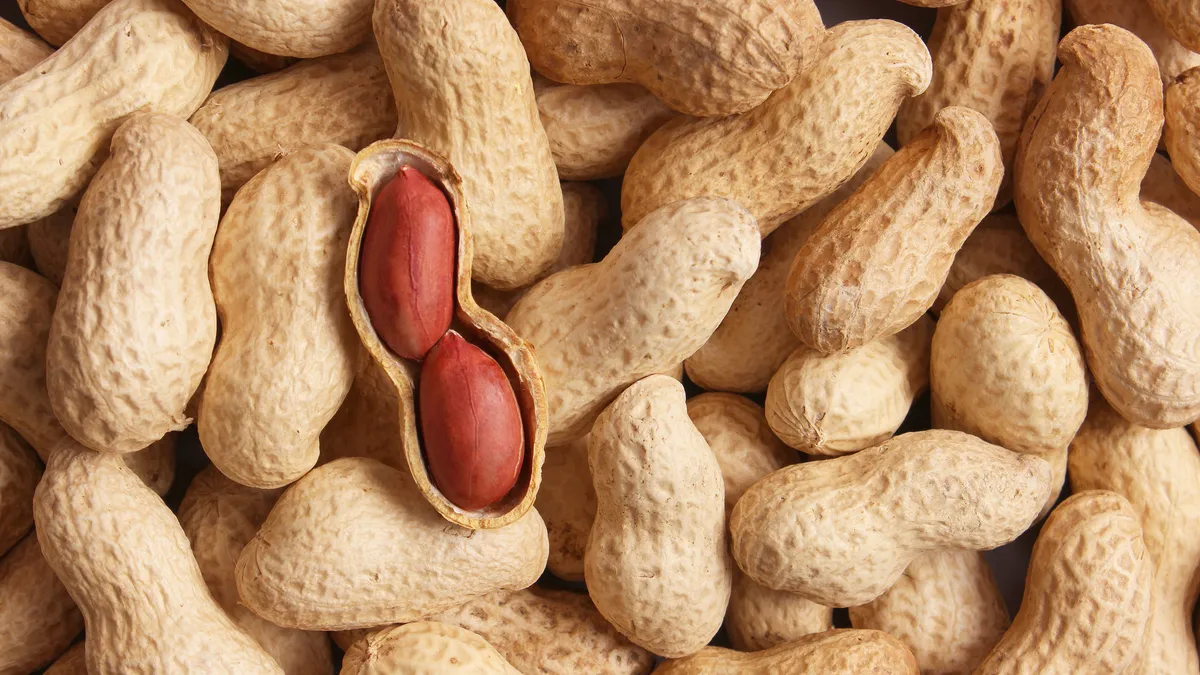
One of the biotechs that generated interest in the food allergy space was Aimmune Therapeutics, which in 2020 brought the first official peanut allergy treatment to the U.S. market.
Oral immunotherapy had been used off-label by allergists prior to the approval, but Aimmune’s Palforzia, which contained increasing doses of the peanut allergen, became a regulator-backed option that led to food giant Nestle to acquire Aimmune in 2020, but the excitement was relatively short-lived. In September 2023, allergy company Stallergenes Greer bought Palforzia, which had not taken off in the market as anticipated.
Now, Palforzia is being discontinued after difficulties on the market due to an intensive regimen and challenges winning payer coverage.
Allergists still believe in the therapy, according to The Allergy Group, which wrote that, “Palforzia’s discontinuation reflects business realities — not scientific failure.” But other companies have still found it difficult to break into the U.S. market.
France’s DBV Technologies faced an FDA rejection in 2020 for its peanut allergy patch Viaskin. The company has still persisted with clinical trials for more than five years nonetheless, demonstrating a testament to the product’s market potential that resulted in a phase 3 win announced in December.
Novartis’ M&A drive
Novartis’ Excellergy purchase marks a leap in biologic technology that offers more protection for people with moderate to severe allergies. The biotech’s chief scientific officer Geoff Harris told Biopharma Dive last year that the potential treatments could be the “holy grail” for allergy-driven diseases.
For Novartis, which has been on a significant M&A run over the last year, the acquisition fits into a playbook of recognizing the pharma giant’s strengths and finding smaller companies with complementary technologies.
When it comes to executing on a successor to Xolair, Excellergy’s lead candidate Exl-111 has preclinical results that “suggest the potential for rapid interruption and durable suppression of allergic inflammation” if the effects translate to humans.
The company announced last month it dosed its first early-stage study patients.